Hillingdon Council rules for flowers at Northwood cemeteries
Posted on 04/10/2026
Hillingdon Council rules for flowers at Northwood cemeteries: a practical guide for families, visitors and florists
If you are trying to understand Hillingdon Council rules for flowers at Northwood cemeteries, you are probably doing it for a very human reason: you want to leave flowers that feel respectful, look right, and do not cause problems for cemetery staff or other visitors. That sounds simple enough, but in real life there can be a few awkward questions. Can you place flowers anywhere? Do they need to be in a container? What happens after they fade? And what if you are arranging something on behalf of a relative and do not want to get it wrong?
This guide walks through the practical side of flower rules at Northwood cemeteries in plain English. It explains why the rules matter, how they usually work in a cemetery setting, what to do before you visit, and how to choose arrangements that are appropriate, tidy and easy to maintain. You will also find a checklist, a comparison table, and a few realistic examples that make the whole thing easier to handle. Truth be told, a little preparation goes a long way here.
Table of Contents
- Why Hillingdon Council rules for flowers at Northwood cemeteries matters
- How Hillingdon Council rules for flowers at Northwood cemeteries works
- Key benefits and practical advantages
- Who this is for and when it makes sense
- Step-by-step guidance
- Expert tips for better results
- Common mistakes to avoid
- Tools, resources and recommendations
- Law, compliance, standards, or best practice
- Options, methods, or comparison table
- Case study or real-world example
- Practical checklist
- Conclusion
- Frequently asked questions
Why Hillingdon Council rules for flowers at Northwood cemeteries Matters
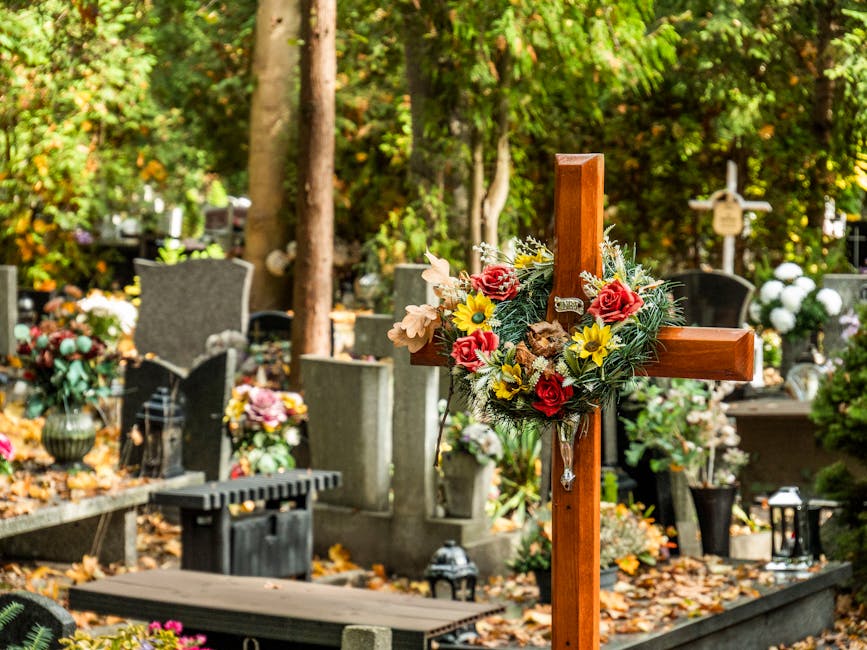
Cemetery flower rules are not there to make life difficult. They exist to keep memorial areas respectful, safe and manageable for everyone using the site. At Northwood cemeteries, that usually means thinking about tidiness, access, maintenance, weather resistance and the dignity of the space. A bouquet that looks lovely on day one can become a problem a week later if it topples over, blocks a path, sheds petals into a drain, or starts to decay in warm weather.
That is why understanding Hillingdon Council rules for flowers at Northwood cemeteries matters before you buy or place anything. It helps you avoid having arrangements moved, removed or damaged. It also means you are less likely to spend money on flowers that are unsuitable for the location. Nobody wants that. Especially not when the flowers are meant to honour someone important.
There is also a practical side for the council and cemetery staff. They need to keep graves and surrounding grounds accessible for mowing, sweeping and general upkeep. A cemetery works best when visitors choose arrangements that fit the setting rather than fight against it. A neat bouquet in an appropriate vase often works better than something elaborate that is beautiful but awkward. A small detail, but a meaningful one.
Expert summary: The safest approach is to choose flowers that are respectful, stable and easy to maintain, and to follow any site-specific instructions about placement, containers and removal of spent flowers.
How Hillingdon Council rules for flowers at Northwood cemeteries Works
While individual cemetery instructions can vary, the practical framework is usually straightforward. Flowers are generally welcome as a mark of remembrance, but they normally need to be placed in a way that does not interfere with maintenance, burial areas, memorial stonework or access routes. In most cemetery settings, fresh flowers are preferred when they are tidy, contained and not likely to spread debris.
In everyday terms, this often means one of three things:
- placing flowers in a suitable vase or memorial container;
- keeping floral tributes within the designated space for the grave or plot;
- removing faded flowers before they become untidy or unsanitary.
If you are arranging flowers for a funeral, a birthday remembrance, or a quiet personal visit, the main question is not just what looks beautiful. It is what will stay appropriate in the cemetery environment. For example, low, compact arrangements tend to sit better than tall, top-heavy designs on windy days. And in Northwood, a damp spell or sudden breeze can turn a perfectly good arrangement into a bit of a mess by lunchtime. It happens.
For people ordering from a florist, the delivery side matters too. You may want to check how the flowers will be brought to the cemetery, whether timing is suitable, and whether the florist offers arrangements designed for memorial use. If you are comparing options, pages such as funeral flowers in Northwood and funeral arrangements can help you understand which styles are usually chosen for remembrance settings.
In some cases, families prefer softer, longer-lasting designs such as white lilies, chrysanthemums, roses, sprays, wreaths or posies. Others choose more personal tributes. The key is to match the tribute to the site rules and the tone of the visit. Simple, neat, and heartfelt is often the best combination.
Key Benefits and Practical Advantages
Following the flower guidance at Northwood cemeteries is not just about avoiding trouble. Done properly, it gives you several practical benefits.
- Respectful presentation: the flowers sit neatly and feel appropriate to the memorial setting.
- Less risk of removal: you are less likely to have arrangements moved because they are unsuitable.
- Better durability: arrangements chosen for cemetery conditions usually last longer and look better.
- Easier maintenance: tidy tributes do not interfere with grass cutting, sweeping or access.
- Lower waste: you avoid buying large or fragile designs that quickly fail outdoors.
There is also a quieter benefit that people do not always think about. When you know the rules, you feel calmer on the day. No second-guessing. No walking away wondering whether you have done the right thing. For many families, that peace of mind is worth a lot.
If you want flowers that are built to handle local conditions with less fuss, it can help to look at flowers designed for delivery or memorial use, such as options from a Northwood florist or broader categories like sympathy flowers. Those are often more suitable than loose, highly decorative arrangements for a cemetery visit.
Who This Is For and When It Makes Sense
This guidance is useful for a few different people, and the needs are not always the same.
Families visiting a grave
If you are visiting a family member, you will probably want something personal, modest and easy to place. A compact vase arrangement, a small posy, or a low spray is often more practical than a large hand-tied bunch. You want something that looks cared for, even a week later.
People arranging a funeral tribute
Funeral flowers have their own etiquette. They may be more formal, more symbolic and more carefully structured. If that is your situation, the right choice might be a wreath, spray, sheaf, cushion, tribute, or a design using a favourite colour or flower type. A small detail can carry a lot of meaning.
Visitors from outside the area
If you are coming from elsewhere in London or beyond, you might not know the local cemetery norms. That is where a quick check matters. You do not want to arrive with a bright, oversized display only to discover it is awkward to place or not suitable for the plot.
Florists and helpers
Sometimes the person ordering is not the person visiting. Maybe you are helping an older relative, or sending flowers on someone else's behalf. In that case, the practical questions matter even more: delivery timing, container choice, weather protection and the likelihood that the tribute will stay in place. If you are choosing a site-ready arrangement, options like wreaths or sprays are often easier to manage than mixed arrangements with loose stems and delicate foliage.
When does it make sense to think carefully about the rules? Pretty much every time you plan to leave flowers in a cemetery. But it becomes especially important during busy periods such as anniversaries, memorial dates, Christmas, Mother's Day or after a funeral service, when many tributes are placed at once.
Step-by-Step Guidance
If you want a straightforward way to handle the rules without overthinking it, use this simple process.
- Decide the purpose of the flowers. Is this for a funeral, a grave visit, an anniversary, or a quiet personal tribute?
- Check the setting. Look at the grave space, the weather, and whether there is a vase, holder or memorial container already in place.
- Choose an appropriate style. Lower, compact, and stable arrangements usually work best in cemetery conditions.
- Avoid excess packaging. Remove outer wraps, plastic sleeves and anything unnecessary before placing the flowers.
- Place the flowers neatly. Keep them within the allotted space and make sure they do not block surrounding graves or paths.
- Return and refresh if needed. If the flowers fade quickly, remove them before they become untidy.
That is the basic flow. Simple enough, but it saves a lot of hassle. In the morning light, especially on a quiet weekday visit, you notice how much calmer the grave area feels when tributes are tidy and stable. Small thing, big difference.
Choosing the right flower type
Some flowers are more practical than others outdoors. Roses, chrysanthemums, lilies, carnations, alstroemeria and mixed seasonal arrangements are commonly used because they can look dignified and hold up reasonably well. For memorial use, white, cream, pale pink and soft purple shades often feel especially appropriate, though nothing says you cannot choose a different colour if it reflects the person you are remembering.
If you are unsure, it can help to use a florist-choice style arrangement or a sympathy design that has been made with remembrance in mind. Pages such as sympathy flowers and sympathy florist choice can be a practical starting point when you want something tasteful without making the decision process into a mini ordeal.
Choosing the right format
For cemetery use, format often matters more than people expect. A bouquet can be lovely, but a basket, posy, spray or wreath may stay put more easily. If the location is exposed to wind, a heavier base or a flat tribute is usually smarter. A floating ribbon of petals in a strong breeze? Charming in theory, slightly chaotic in practice.
| Option | Best for | Practical strengths | Possible drawbacks |
|---|---|---|---|
| Vase arrangement | Graves with a container or holder | Stable, tidy, easy to refresh | Depends on having the right vessel |
| Posy or basket | Short visits and simple tributes | Compact, easy to place | May not suit every memorial style |
| Wreath | Formal memorials and funeral tributes | Balanced, visible, respectful | Can be larger than needed for a small grave space |
| Spray | Funerals and remembrance events | Neat shape, elegant presentation | Needs careful placement in wind |
| Loose bouquet | Temporary visits | Flexible and easy to source | Less secure unless placed properly |
Expert Tips for Better Results
Here is the part people often skip, then regret later. The best-looking memorial flowers are usually the ones that are chosen with the site, the weather and the maintenance cycle in mind.
- Choose sturdier stems for outdoor placement. Roses, chrysanthemums and carnations tend to be dependable choices.
- Use a weighted or water-filled container where allowed. Stability matters more than it sounds like it should.
- Keep the arrangement low. Wind loves tall flowers. Not in a good way.
- Avoid excessive foil and plastic. These can look untidy and are often unnecessary once the flowers are in place.
- Refresh faded tributes quickly. A half-wilted bouquet can feel sad in a way that fresh flowers do not.
- Think about colour and mood. Soft white, cream, lilac and pastel mixes often feel calm and dignified.
One practical tip that saves time: if you are ordering online, choose an arrangement with a clear memorial purpose rather than trying to adapt a general gift bouquet. It often ends up better proportioned and easier to manage. If you need a delivery option that suits a specific day, same-day flower delivery in Northwood can be useful when timing is tight, while next-day delivery may suit planned visits.
And yes, it is a little thing, but always check the condition of the flowers before you leave home. A stem that is already drooping in the kitchen will not suddenly become heroic at the cemetery gate.
Common Mistakes to Avoid
Most problems come from rushing. The flowers are chosen with care, but the practical details get missed.
- Choosing overly large arrangements. These may look impressive but be awkward in a cemetery space.
- Using fragile flowers in poor weather. Delicate stems can wilt, bruise or blow over quickly.
- Leaving packaging in place. Outer wrapping can look untidy and trap water.
- Blocking access. Flowers should never interfere with paths, maintenance or neighbouring memorials.
- Forgetting to remove faded flowers. Old tributes can look neglected and may be removed by site staff if they become a nuisance.
- Ignoring the grave setup. Some memorials need a vase, some do not. Do not assume.
There is also a social mistake that catches people out: choosing something that reflects your taste rather than the person you are remembering. It sounds obvious, but it happens. Memorial flowers are not about showing off. They are about care, memory and respect. That is the whole point.
Tools, Resources and Recommendations
You do not need a box of special equipment to get this right, but a few simple things can help.
- Secateurs or sharp scissors: for trimming stems neatly before placement.
- Clean vase or memorial container: if the grave has a holder or allows one.
- Florist ribbon or card: for a short message that feels personal without being cluttered.
- Water source at home: to hydrate flowers before you travel.
- Soft cloth or tissue: for wiping leaves or removing damaged outer petals.
As for flower style, a few categories are especially useful for cemetery visits. tributes, letter tributes, cushions, posies where available, and traditional memorial designs are often selected because they read clearly as remembrance pieces. If you want a softer, classic approach, white flowers and mixed colours are both common choices depending on the person and the occasion.
You may also find it helpful to look at the florist's service pages for delivery, care and guarantees, especially if you are arranging flowers from a distance. A clear delivery process and decent aftercare information matter more than people think. If the flowers arrive neatly and on time, half the stress disappears.
Law, Compliance, Standards, or Best Practice
This topic is mostly about local cemetery practice rather than complicated law, but best practice still matters. In public cemeteries, the general expectations are usually built around respect, public safety, access and site maintenance. That means flowers should not create hazards, block works, damage memorials or interfere with other grave owners.
In plain English, if flowers are likely to create litter, attract pests, spill water, obstruct machinery or blow into another area, they are less likely to be acceptable in the long run. The same goes for items that are too fragile for outdoor use. A cemetery is a shared memorial space, not a private garden border. Small distinction, but a real one.
Best practice also includes checking for any site-specific notices, burial area instructions or flower-holder rules before you place anything. If a memorial has existing fixtures or a designated vase arrangement, it is wise to follow that setup rather than improvising. And if you are uncertain, ask before acting. That is usually the most respectful route.
From an industry point of view, florists working on memorial orders should aim for sturdy design, appropriate materials and clear handling advice. Customers should receive guidance on how to keep flowers fresh, how long the display is likely to last, and what to do if conditions are very warm, wet or windy. That is just good practice, really.
Options, Methods, or Comparison Table
If you are deciding what kind of tribute to use at Northwood cemeteries, this comparison can help narrow things down.
| Method | Best when... | Why people choose it | Less ideal when... |
|---|---|---|---|
| Fresh bouquet | You want a simple, personal tribute | Easy to source and emotionally familiar | Weather is poor or placement is exposed |
| Memorial wreath | You want a formal remembrance piece | Looks balanced and ceremonial | The grave space is very small |
| Spray arrangement | You are arranging flowers for a funeral or memorial service | Elegant, structured and traditional | You need something very compact |
| Posy or basket | You want a low-maintenance tribute | Compact and suitable for regular visits | You want a very prominent display |
| Letter or shaped tribute | You want something highly personal | Strong symbolic value | You need a low-cost or very minimal option |
There is no single right answer. Honestly, the best option is the one that matches the grave setting, the occasion and the person you are remembering. Some families like very formal tributes. Others prefer quiet simplicity. Both are fine.
Case Study or Real-World Example
Here is a realistic example. A family plans to visit a grave at Northwood on a Saturday morning after a wet week. They want to bring flowers for a long-overdue visit and are unsure whether a tall hand-tied bouquet or a lower arrangement would be better. At first, the bouquet seems prettier. It has mixed blooms, a soft ribbon and that fresh florist smell that always feels comforting. But once they think about the weather, the narrow memorial space and the likely footfall around the area, they choose a compact white and pale lilac tribute in a stable container instead.
It turns out to be the right call. The flowers sit neatly, stay upright, and do not need constant adjustment. They also look respectful from a distance without shouting for attention. The family leaves feeling that they have honoured their relative properly, without making the visit stressful. A small thing, but a good one.
That same approach works for many real situations. If a person is ordering from afar, they might choose a memorial arrangement with a firm base, plus a short card message. If they are visiting in person, they may bring secateurs, water and a simple vase. If they are ordering for a funeral, they may choose a spray or wreath from a specialist range such as sprays, wreaths or a funeral card to keep the tribute complete and polished.
Practical Checklist
Before you place flowers at Northwood cemeteries, run through this quick checklist.
- Have you checked the grave space or memorial area?
- Is the arrangement suitable for outdoor conditions?
- Will it fit neatly without blocking access?
- Have you removed any unnecessary packaging?
- Is the container stable enough for wind or rain?
- Does the colour and style feel respectful for the occasion?
- Will you be able to refresh or remove it later if needed?
- Have you chosen a florist arrangement that is suitable for remembrance use?
- Does the tribute match the tone of the person, family or service?
- Have you checked any site-specific notices before going?
If you can tick those off, you are in good shape. That is the practical side done. The emotional side is, of course, the part that matters most.
Conclusion
Understanding Hillingdon Council rules for flowers at Northwood cemeteries is really about making a respectful choice with confidence. When you know how cemetery flower placement usually works, you can choose something that suits the memorial, lasts well outdoors and feels appropriate to the day. That saves stress, avoids waste and helps the tribute do what it is meant to do: honour someone properly.
Whether you are visiting after a long time, arranging flowers for a funeral, or sending something on behalf of family, keep the basics in mind: neat presentation, stable placement, simple materials and timely removal of faded blooms. That combination is hard to beat.
Get a free quote today and see how much you can save.
And if you are still unsure, start with the simplest respectful option. Most of the time, that is exactly the right place to begin.
Frequently Asked Questions
Can I place any flowers on a grave at Northwood cemeteries?
Usually, flowers are welcome as a sign of remembrance, but they need to be placed in a way that is tidy, respectful and practical for the cemetery setting. Compact, stable arrangements are usually the safest choice.
Do flowers need to go in a vase or container?
In many cemetery settings, a vase or suitable memorial container helps keep flowers secure and neat. If a grave already has a holder, it is often better to use that rather than leaving stems loose.
What types of flowers are best for cemetery tributes?
Roses, chrysanthemums, lilies, carnations and mixed sympathy designs are common choices because they look dignified and tend to hold up well outdoors. White and soft pastel tones are often chosen, though personal preference still matters.
Can I leave artificial flowers instead of fresh ones?
That depends on the site guidance and the memorial setting. Some people prefer artificial flowers because they last longer, but they can also look less natural if they fade or collect dust. If allowed, choose them carefully and keep them neat.
How long can flowers stay at the grave?
That usually depends on the condition of the flowers and the cemetery's maintenance approach. When flowers begin to fade, wilt or look untidy, it is best to remove them. That is generally the respectful thing to do.
What should I avoid bringing to a cemetery grave?
Avoid oversized, unstable, overly decorative or packaging-heavy arrangements. Anything likely to blow away, spill, obstruct access or become messy quickly is best left out.
Is it better to choose a bouquet or a memorial arrangement?
For cemetery use, a memorial arrangement is often more practical because it is usually designed to sit neatly and stay stable. A bouquet can work too, but only if it is placed properly and suited to outdoor conditions.
Can I order flowers for delivery to Northwood for a grave visit?
Yes, many people do. If timing matters, it helps to use a local delivery option and choose an arrangement designed for remembrance. Same-day or next-day delivery can be useful when plans change quickly.
Are there special flowers for funerals versus grave visits?
Yes, often there are. Funeral tributes may be larger or more formal, such as wreaths and sprays, while grave visits often favour smaller, simpler arrangements. The purpose of the flowers usually guides the style.
How do I know if my flowers are suitable for windy weather?
Choose a low arrangement, a stable base, and sturdy blooms. If the flowers are tall and delicate, they are more likely to move around or topple in exposed conditions. A bit of common sense helps here.
Should I ask the council before placing flowers?
If you are unsure about the rules or the grave setup, yes, it is sensible to check before placing anything. A quick check can prevent inconvenience later and ensures your tribute is appropriate.
What is the most respectful flower choice if I am not sure?
A simple white or mixed sympathy arrangement is often a safe, tasteful option. It keeps the focus on remembrance rather than decoration, which is usually what matters most.