Northwood market stall flowers permits and Hillingdon Council rules
Posted on 26/09/2026
Northwood market stall flowers permits and Hillingdon Council rules: a practical local guide
If you are planning to sell flowers on a market stall in Northwood, the paperwork can feel more confusing than arranging the stock. One minute you are thinking about buckets, buckets of water, and whether your roses will hold up in the morning chill; the next you are trying to work out Northwood market stall flowers permits and Hillingdon Council rules. This guide breaks the topic down in plain English, so you can understand what usually needs checking, what the council is likely to care about, and how to set yourself up properly without guesswork.
Let's face it, a flower stall is not just a pretty display. It sits in a public place, interacts with footfall, trading permissions, safety, waste, and local rules. If you get the basics right early, you save time later. You also look more professional, which matters on a damp Tuesday morning when customers are deciding whether to stop.
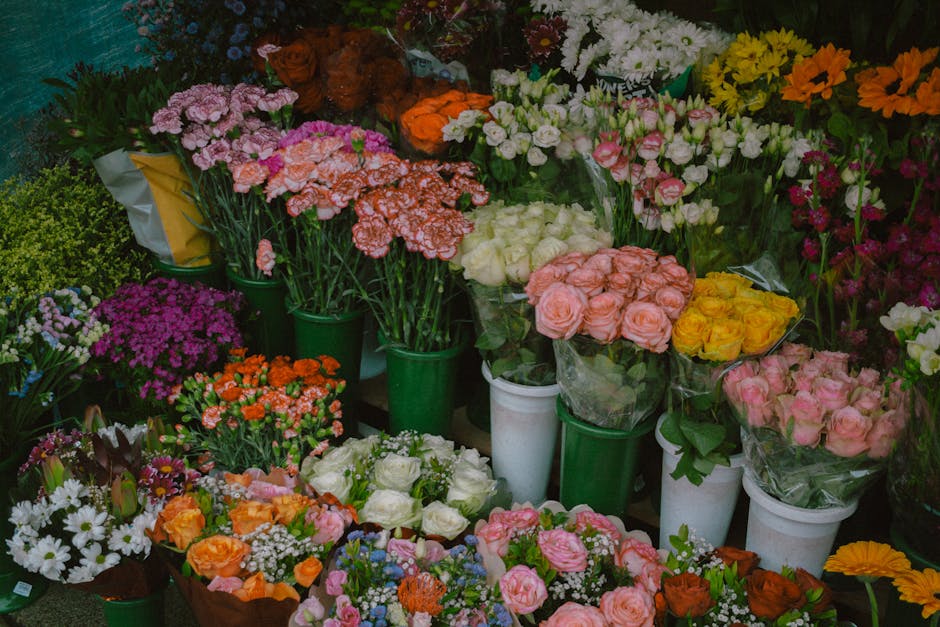
Table of Contents
- Why Northwood market stall flowers permits and Hillingdon Council rules matters
- How Northwood market stall flowers permits and Hillingdon Council rules works
- Key benefits and practical advantages
- Who this is for and when it makes sense
- Step-by-step guidance
- Expert tips for better results
- Common mistakes to avoid
- Tools, resources and recommendations
- Law, compliance, standards, or best practice
- Options, methods, or comparison table
- Case study or real-world example
- Practical checklist
- Conclusion
- Frequently asked questions
Why Northwood market stall flowers permits and Hillingdon Council rules Matters
Flower stalls seem simple from the outside. Fresh stock, a folding table, a bit of signage, and you are away. But trading in a place like Northwood means you are working within local authority expectations, market operator rules, and the wider practicalities of public trading. That is why Northwood market stall flowers permits and Hillingdon Council rules matter so much: they help define where you can trade, what permissions you need, and what standards you are expected to meet.
For a florist, this is not just red tape. It affects your whole setup. If you are missing a permit, you may be asked to move on. If your display spills into a walkway, that can create safety issues. If you are not clear about waste disposal, water run-off, or stall dimensions, you can run into avoidable friction. None of that helps sales.
There is also a trust factor. Customers often notice small things: clean buckets, tidy pricing, sensible packaging, and whether the stall feels organised. A compliant stall usually looks like a well-run stall. Simple as that.
Expert summary: the best flower stalls are usually not the flashiest; they are the ones that combine a welcoming display with clear permissions, tidy operations, and a predictable setup the council or market operator can accept without fuss.
In local trading, details matter. A seller who checks permissions before the first market day tends to avoid last-minute stress, while a seller who assumes "it'll probably be fine" can end up scrabbling around for forms, insurance, or approval at the worst possible moment.
How Northwood market stall flowers permits and Hillingdon Council rules Works
There is usually no single universal rulebook for every stall in every place. The practical process often works through a mix of permissions, site-specific rules, and general trading obligations. If you are asking how Northwood market stall flowers permits and Hillingdon Council rules work, the short answer is this: you need to check who controls the pitch, what type of trading you are doing, and whether your activity needs a licence, consent, or registration.
In many cases, the market operator or landowner sets the immediate rules for the stall itself. The council may also have requirements where trading takes place on council-managed land or within a public space. Then there are wider obligations that apply to businesses generally, such as insurance, safety, and consumer fairness. A flower stall can fall into all three buckets at once. That is the bit people miss.
A typical setup may involve:
- permission to trade in a specific location or on a specific pitch
- any required market stall licence, consent, or trader approval
- public liability insurance, where required by the site operator or prudent business practice
- rules on display size, access routes, and stall presentation
- waste handling and clean-up expectations
- food or plant hygiene considerations if you are handling potted plants, water, or related products
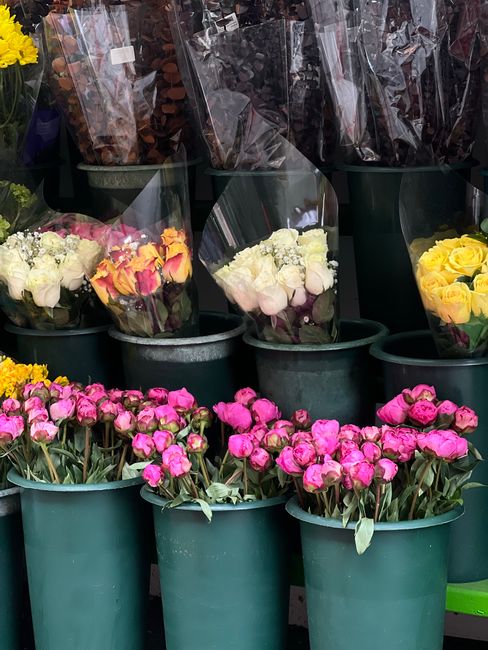
For flowers specifically, there are a few practical points that matter. Water buckets can leak. Petals and leaves can make the pitch slippery. Cardboard and wrapping can blow around in the wind. If you are set up near a pavement edge or pedestrian flow, these small things become visible very quickly. You do not need drama; you need control.
If you already run a shop, the stall may be an extension of your existing business. In that case, you might also want to think about stock sourcing and fulfilment. Some traders use a central retail base and then supplement local sales with services such as florist services in Northwood HA6, while others focus on one-off displays and market-day trading. The right model depends on your capacity, your schedule, and how much stock you can realistically keep fresh.
Key Benefits and Practical Advantages
Sorting out permissions properly does more than keep you on the right side of the rules. It gives your stall a firmer foundation. That matters because market trading is a margin-sensitive business. A missed pitch, a rejected setup, or a rushed relocation can wipe out the goodwill you worked for in the first hour.
Here are the main practical advantages of getting the compliance side right:
- Less risk of interruption: you are less likely to be challenged mid-trade.
- Better customer confidence: a tidy, legitimate-looking stall feels more trustworthy.
- Smoother council or operator relationships: people remember traders who are prepared.
- Better planning: you know what stock, storage, and transport you need.
- Reduced waste: clearer setup rules often help you manage stock more efficiently.
- Lower stress: no one enjoys making sales while wondering if they are in the wrong place.
There is also a commercial upside. A compliant market stall can become a reliable local sales point for seasonal bunches, event flowers, sympathy arrangements, wedding consultations, or last-minute gifts. If your trade is supported by flexible stock choices, such as florist choice bouquets or a broader range of all flowers, it becomes easier to respond to what people actually ask for on the day.
You will notice, too, that a well-run stall often attracts repeat customers. That is not magic. It is consistency. People come back when they can find you, trust you, and get what they expected.
Who This Is For and When It Makes Sense
This guide is for anyone thinking about flowers, market trading, and local compliance in Northwood. That includes solo florists, established shops adding a market presence, seasonal traders, and small business owners testing whether a stall can work before committing to a bigger retail setup.
It also makes sense if you are in one of these situations:
- you want to trade at or near a market in Northwood
- you are unsure whether a permit is needed for a flower stall
- you already have stock but need to understand local rules before launching
- you have been told to check with Hillingdon Council or a market operator
- you sell flowers occasionally and want to formalise the arrangement
- you are expanding from delivery-only work into face-to-face sales
For some traders, market selling is the main event. For others, it is a side channel that supports delivery orders and event bookings. If your business already covers local gifting, same-day orders, or seasonal demand, the stall can act as a live showroom. It is a nice way to let people see the flowers in person before they place future orders for flower delivery in Northwood HA6 or to use your service again for an anniversary, birthday, or sympathy arrangement.
Truth be told, not every flower business suits every market pitch. If your stock needs refrigeration, specialist transport, or a very controlled display environment, a market stall may be useful but only if you can manage the practical side cleanly. That is where honest planning pays off.
Step-by-Step Guidance
If you want to approach Northwood market stall flowers permits and Hillingdon Council rules sensibly, work through the process in order. It is less glamorous than opening day, yes, but it is how you avoid the headaches.
1) Confirm where you want to trade
Start with the exact location. Is it a formal market, a private site, a council-controlled area, or a temporary trading pitch? The answer changes what approval you need. A stall on one site may be fine with market operator consent, while another may need extra permission. Do not assume two places on the same high street work the same way.
2) Identify who controls the pitch
Sometimes the market manager handles day-to-day permissions. Sometimes the landowner does. Sometimes the council is involved. Find out who is actually responsible. That person or organisation will usually tell you what documents they want, what days you can trade, and what the pitch rules are.
3) Check whether a permit, licence, or booking is required
The wording varies, and that can be a little annoying. Some traders talk about a permit, some about a licence, and some about a stall booking agreement. In practice, you need the permission document that lets you trade lawfully at that site. Read the terms carefully. Especially the small print. That's the bit that bites.
4) Prepare your business basics
Have your trading details ready: business name, contact details, product range, dates you want to trade, and any insurance or identity information requested. If you are selling flowers regularly, think about how you will price bunches, handle payment, and manage seasonal stock changes.
5) Design the stall for safety and flow
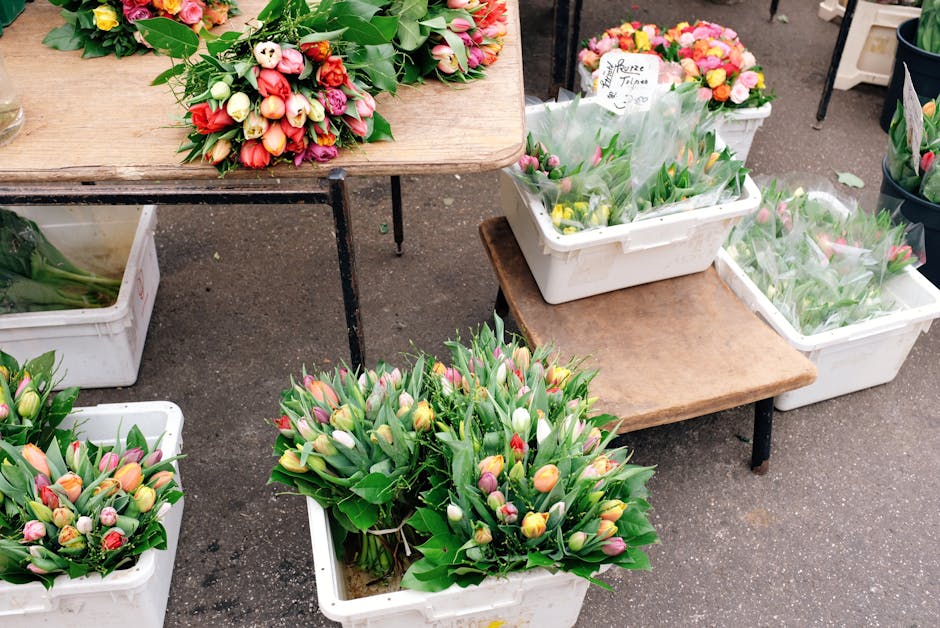
Flowers need a display that looks attractive but does not block people. Keep the front edge tidy. Secure buckets. Make sure paths stay clear. A passer-by should be able to glance, step closer, and browse without feeling boxed in.
6) Plan your stock and waste handling
Bring only what you can sensibly manage. Overpacking leads to bruised stems and tired-looking flowers. Plan where packaging, foliage, and unused wrapping will go. If the site has waste expectations, follow them exactly. Nobody wants a trail of ribbon and wet cardboard after closing time.
7) Keep proof on hand
Bring copies of your permission, insurance, and contact details. A neat folder or phone copy can save a lot of time if someone asks to see documents. It sounds obvious, but on market day obvious things get forgotten.
8) Review the rules after your first trade
Once you have sold your first bunches, review what worked. Was the pitch too small? Was the wind a problem? Did the stall layout slow down customers? Small adjustments make a big difference. The second market day is usually easier than the first, provided you learned something.
Expert Tips for Better Results
A good flower stall is a blend of presentation, consistency, and practical discipline. You do not need to overcomplicate it. But a few small habits can make the difference between "nice little stall" and "the one people stop at every week".
- Use a limited colour story. Too many colours can look messy from a distance. A tight palette often sells better.
- Keep signature stock visible. If you are known for roses, lilies, or mixed seasonal bunches, place them where they catch the eye fast.
- Make pricing easy to read. People will not ask if they feel unsure. They will just keep walking.
- Carry a weather plan. Wind, rain, and cold all affect flowers and display equipment.
- Build around the day's demand. Market customers often buy with a purpose: a birthday, apology, thank-you, or "I need something now" moment.
- Have a fallback bundle. A low-cost bouquet can save a slow morning.
If you already sell online, use your stall to learn what local buyers like. Perhaps they prefer simple wraps over vase arrangements. Perhaps they ask for seasonal colours more than formal bouquets. That feedback is gold. Real people, real choices, no guessing.
One small but useful trick: keep a few quick options ready for impulse buyers. A bright bunch by the front edge, a sign that says what it is, and a clean bucket of water nearby. You do not need theatre. You need clarity.
Common Mistakes to Avoid
Most trouble with market stalls does not come from one huge failure. It comes from lots of tiny oversights that stack up. The good news? These are usually easy to avoid once you know what to look for.
- Assuming the rules are the same everywhere. They are not. Northwood can differ from nearby trading spots.
- Turning up without checking permission. That is a costly gamble, even if the stall looks vacant.
- Ignoring stall boundaries. Flowers may be pretty, but they still cannot block access routes.
- Using unstable displays. Buckets can tip, and water on the ground is a slip risk.
- Forgetting waste and packaging. A neat stall can look untidy very quickly if you have nowhere to put cuttings.
- Overbuying stock. Fresh flowers are perishable, and over-ordering can eat into profit fast.
- Not checking operating hours. A late arrival can mean a missed opportunity or a less favourable pitch.
Another common issue is underestimating how weather affects the day. A warm morning can dry petals out. A windy afternoon can move signage or flatten lightweight arrangements. A bit of tape, a few weights, and a sensible setup go a long way. Not glamorous, but effective.
Tools, Resources and Recommendations
You do not need a huge toolkit to run a flower stall well. What you do need is a set of practical items that make the day smoother and safer.
| Item | Why it helps | Practical note |
|---|---|---|
| Water buckets or containers | Keep stems fresh and presentable | Choose sturdy containers that will not tip easily |
| Price signage | Makes buying easier | Use large, readable lettering |
| Table covering or stall cloth | Improves presentation | Pick a colour that does not fight with the flowers |
| Waste bags | Supports a tidy pitch | Bring more than you think you need |
| Phone charger or power plan | Useful for payments and customer contact | Do not rely on one battery all day |
| Weather weights | Helps with outdoor stability | Handy on breezy days, and Northwood can get a bit lively |
| Permission documents | Proof of approval | Keep them easy to access |
When it comes to sourcing and presenting stock, the website's product range can also give you ideas for building a stall mix. For example, seasonal and occasion-led collections like birthday flowers, thank-you flowers, and any occasion bouquets are useful for a market setting because they cover common buying motives without forcing the customer to think too hard.
For regular flower handling, care matters as much as display. Good cutting, clean water, and sensible conditioning all help. If you want to brush up on handling routines, the site's flower care guidance can be useful as a practical reference point.
Law, Compliance, Standards, or Best Practice
Because this topic involves local trading permissions and public-facing business activity, a careful approach is best. The exact rules depend on where you trade, who owns the site, and what permissions are required there. So rather than guessing, work from confirmed approval and written terms. That is the safest path.
In practical terms, compliance for a flower stall usually means the following:
- you have permission to use the pitch or trading space
- you follow any site rules on hours, layout, and public access
- you do not create a hazard with water, boxes, cords, or displays
- you handle waste and packaging responsibly
- you present pricing and trading information clearly
- you keep insurance and business details in order if requested
There may also be broader consumer and business obligations, even if they are not unique to flower stalls. For example, customers should know what they are buying, and any promises about freshness or delivery should be honest and clear. If your market stall links to broader retail activity, the site's terms and conditions, returns and refund information, and guarantees are useful examples of the kind of policy framework a professional business should keep straight.
Where you are unsure, ask the market operator or council contact directly and keep a written record of the answer. A short email now can save a lengthy back-and-forth later. It really can.
Options, Methods, or Comparison Table
There is more than one way to trade flowers in Northwood. The right route depends on your budget, risk tolerance, and how hands-on you want to be.
| Approach | What it suits | Pros | Trade-offs |
|---|---|---|---|
| Dedicated market stall | Regular in-person selling | High visibility, immediate customer contact | Needs ongoing setup, permissions, and staffing |
| Occasional pop-up pitch | Testing the market | Lower commitment, flexible | Less predictable, may need short-notice approval |
| Shopfront plus stall | Existing florist businesses | Builds local brand awareness | More logistics and stock management |
| Delivery-led business with events | Businesses focused on orders | Lower stall overheads | Less walk-in exposure |
If your goal is to grow local recognition, a stall can be brilliant. If your goal is tight operational control, delivery-led trading may be better. There is no one "correct" answer. What matters is matching the format to the business you actually run, not the one you wish you ran on your busiest day.
Case Study or Real-World Example
Imagine a small florist in Northwood who wants to test whether a Saturday market stall will generate enough extra sales to justify the effort. They already deliver locally, but they have noticed more customers asking for quick, ready-to-buy bunches rather than custom orders.
Instead of booking a pitch first and sorting the rest later, they check the trading arrangement, ask who controls the space, and confirm what is needed before setting up. They prepare a small range of mixed bouquets, a few classic roses, and a handful of seasonal options. They keep the stall tidy, use clear pricing, and bring enough packaging to handle impulse buys without turning the table into a mess.
By the end of the day, they have learned three useful things. First, customers want visible prices. Second, a compact display works better than a crowded one. Third, several people ask about delivery for the following week. That last point matters. The stall is not just a sales point; it is a lead generator.
What made the difference was not luck. It was preparation. The trader had the right permissions, understood the site expectations, and built the stall around what people actually wanted to buy. No drama, no awkward conversations, no last-minute panic. Fairly boring, maybe. But effective.
Practical Checklist
Use this checklist before your first market day. It keeps things simple.
- Confirm the exact trading location in Northwood
- Identify who controls the pitch or stall space
- Check whether a permit, licence, or booking is required
- Keep written confirmation of permission
- Arrange any insurance or business documents requested
- Prepare a stall layout that keeps public access clear
- Bring stable containers for flowers and water
- Set out prices clearly
- Plan for waste, packaging, and clean-up
- Pack weather protection and weights
- Bring a payment method that works reliably
- Review what sold well after the day ends
Quick reality check: if one part of the setup feels uncertain, do not shrug it off. Ask the question now. The answer is almost always cheaper than a mistake later.
And yes, you will probably overpack on your first day. Nearly everyone does. That is part of the learning curve.
Conclusion
Northwood market stall flowers permits and Hillingdon Council rules are not just background admin. They shape how you trade, how safe your stall feels, and how confidently you can sell to local customers. Once the permissions are clear, the rest becomes much easier: better display, smoother trading, fewer surprises, and a more professional presence in the area.
The best approach is straightforward. Confirm the exact site rules, get permission in writing, build a tidy stall, and keep your customer experience simple and welcoming. That is usually what works. Not perfection, just good preparation and a bit of care.
If you want to strengthen your local flower business, think of the stall as part of a wider customer journey. Market browsing, repeat orders, seasonal gifting, event work, delivery follow-ups - it all connects. Start with the rules, then build the experience around them.
Get a free quote today and see how much you can save.
Frequently Asked Questions
Do I need a permit to sell flowers at a market stall in Northwood?
Very often, yes, some form of permission is needed. The exact type depends on the site, the market operator, and whether the land is privately run or council-managed. Always confirm before trading.
Are Hillingdon Council rules the same for every stall location?
No. Rules can differ depending on the location and who controls the pitch. A market stall, a temporary pop-up, and a council-related public space may each have different expectations.
What documents should I keep with me on market day?
Keep your permission or booking confirmation, any insurance details requested, and your trading contact information. A tidy folder or digital copy on your phone is usually enough.
Can I trade flowers without a formal shop?
Yes, many traders do. A market stall can work well on its own or alongside delivery and event work. What matters is that your setup is approved and your trading is organised.
Do flower stalls need public liability insurance?
It is commonly requested by market operators and is generally sensible for any public-facing stall. The exact requirement depends on the site, so check before you book.
What should I sell at a flower stall if I want steady sales?
Simple, easy-to-buy items usually perform best: mixed bunches, birthday flowers, thank-you bouquets, and seasonal arrangements. People often buy quickly at market stalls, so clarity helps.
How do I make a flower stall look professional?
Use clear pricing, tidy containers, a limited colour palette, and stable displays. Keep the front of the stall uncluttered. A clean, organised stall usually feels more trustworthy.
What happens if I set up without the right permission?
You may be asked to move, stop trading, or provide documents. In some situations it can lead to a dispute with the site operator or council. Best not to leave it to chance.
Are there special waste or cleanliness rules for flower stalls?
Often, yes. Water, stems, wrapping, and cardboard need to be managed carefully so the stall stays safe and tidy. Check the site rules and leave the pitch as you found it, or better.
Can a market stall help with online flower orders too?
Absolutely. Many businesses use stalls as a local showroom that feeds repeat orders, event enquiries, and delivery sales. It is a practical way to build trust face to face.
What flowers are best for an outdoor stall in changeable weather?
Sturdy seasonal flowers and mixed bunches often handle outdoor trading better than delicate arrangements. Roses, carnations, chrysanthemums, and mixed florist choice options can be practical in the right setup.
How do I know if my stall layout is compliant?
Check that customers can move safely, access is not blocked, and your display stays within the space you have been given. If in doubt, ask the market operator to confirm the expected layout.
In the end, a good stall is one that feels easy for customers and straightforward for you. Keep it lawful, keep it tidy, and the rest has a way of falling into place.